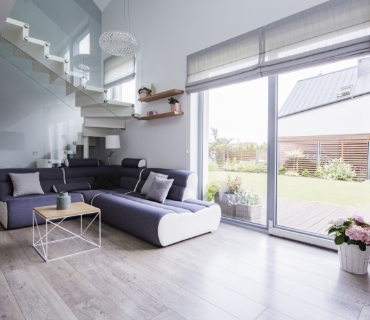
Why UPVC Is the Future of Windows and Doors in Modern Architecture
Modern architecture focuses on sustainability, efficiency, and clean design. UPVC has emerged as a leading material that supports these principles while offering exceptional performance. Its adaptability makes it suitable for a wide range of architectural styles and applications.
UPVC windows and doors are designed to meet modern construction standards while reducing environmental impact. Their energy-efficient properties help lower carbon footprints and support eco-friendly building practices. As cities grow and living spaces evolve, UPVC continues to gain popularity for its durability, flexibility, and modern appeal.
“UPVC is not just a building material it represents the future of smart and sustainable construction.”
Kartik
Sustainability and Environmental Benefits
UPVC is recyclable and requires less energy to maintain compared to traditional materials. Its long lifespan reduces the need for frequent replacements, contributing to sustainability. By improving insulation and reducing energy consumption, UPVC products play a vital role in green building initiatives.

Long-Term Performance and Architectural Value
UPVC maintains its strength, color, and finish over time, even under harsh environmental conditions. This ensures consistent performance and visual appeal for years.
Its versatility and efficiency make UPVC the preferred choice for architects, builders, and homeowners looking to invest in future-ready construction solutions.